







Search Results for: Small Bean Merchant
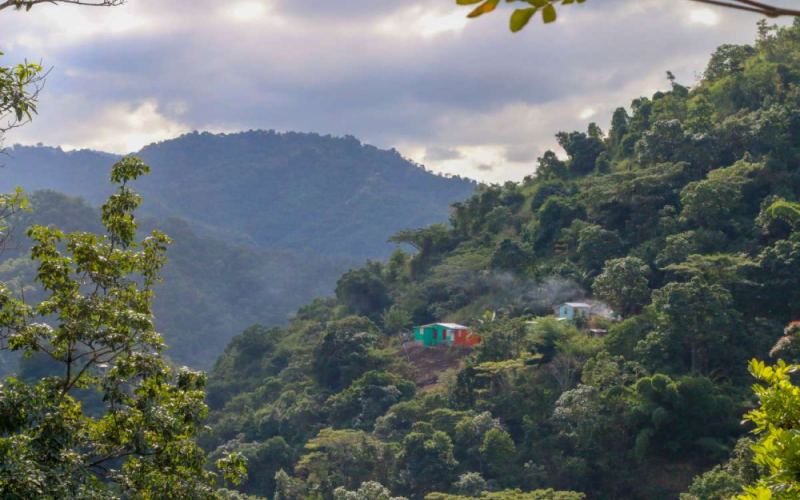
Jamaica Blue Mountain Coffee Pour-Over Complete Guide: Authenticity Identification, Parameter Settings, and Flavor Profile Analysis
Blue Mountain coffee is highly sought after for its exceptional quality and high price, but the market is flooded with a large number of counterfeit products. This article will start with authenticity identification and systematically explain how to identify genuine Jamaican Blue Mountain coffee beans, including key points such as origin certification, wooden barrel packaging, and certificate verification. Then, focusing on a 15-gram dose, a 1:15 ratio, and 87°C water temperature, it will demonstrate in detail the three-pour hand-brewing process and grind size requirements for Front Street Blue Mountain coffee. The article also particularly emphasizes the impact of water quality selection and bean freshness on flavor, and describes the balanced taste of Blue Mountain coffee with notes of nuts, chocolate, and cream. Whether you are trying it for the first time or hoping to refine your technique, this guide can help you fully unlock the true value of every expensive bean. [more…]

Should You Sort Out Defective Beans Before Brewing Coffee? Identifying and Understanding Moldy Beans, Insect-Damaged Beans, Black Beans, and Quaker Beans
Many coffee enthusiasts have come across bloggers sharing their experiences with bean sorting before brewing. The main purpose of sorting beans is to remove defective beans that carry negative flavors. This article focuses on this topic, systematically outlining the types, causes, and identifying characteristics of common coffee defects, including moldy beans, insect-damaged beans, black beans, and the more unusual quaker beans, while explaining their specific impact on coffee flavor. It also addresses a practical question: if the chosen merchant is reliable enough and the beans have undergone multiple rounds of sorting before and after roasting, is it still necessary to sort beans by hand yourself? Drawing on Front Street Coffee's sorting process and a 15g Panama Boquete Geisha as an example, the article offers a useful reference answer. [more…]
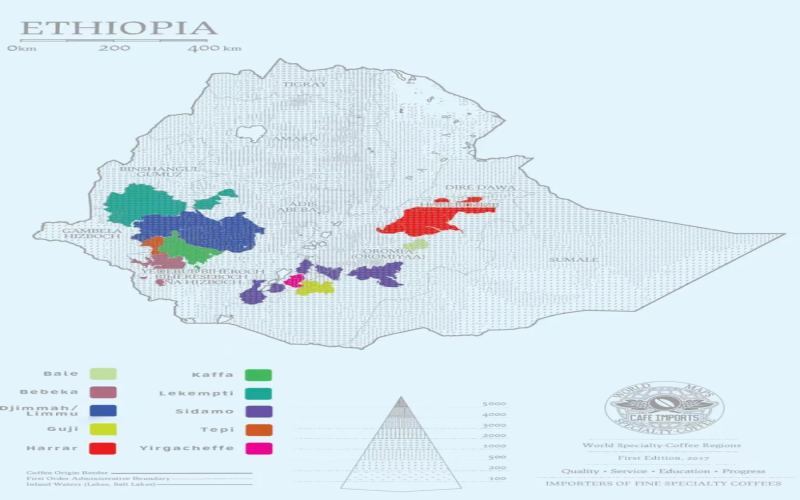
Ethiopia Yirgacheffe and the Red Cherry Project: Naturally Processed Heirloom Coffee Flavors and Front Street Recommendations
Ethiopia, as the birthplace of coffee, is home to tens of thousands of native varieties that have not been fully identified, making it a holy land in the hearts of specialty coffee enthusiasts. Among them, the Yirgacheffe region stands as its own category thanks to its bright citric acidity, citrus notes, and jasmine aroma, and is protected by the EXC trademark. The Red Cherry Project, launched in 2007 by the Dutch green bean trader Trabocca, encourages coffee farmers to improve quality by purchasing 100% hand-picked ripe red cherries at high prices, and mainly covers areas such as Yirgacheffe and Sidamo. Front Street Coffee's Yirgacheffe Natural Red Cherry coffee beans use native heirloom varieties and natural processing; after a light roast, brewed with a V60 at 1:15 and 92°C, they present berry, lemon, fermented fruit, and strawberry flavors, with a refreshing mouthfeel—well worth a try. [more…]
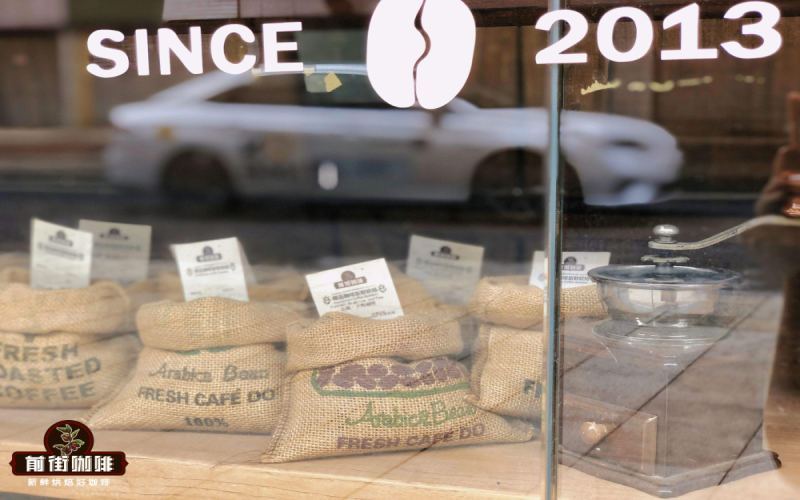
Analysis of the Flavor Characteristics of Hand-Brewed Huakui 6.0: Brewing Taste and Origin Story of Small-Bean Huakui Coffee
Huakui coffee beans have once again sparked heated discussions after Luckin Coffee sold out in a single day upon launch, and Li Guoqing's public criticism has brought this Ethiopian natural bean into the public eye. Huakui is not a place name, but originates from the Buku Abel processing station in the Hambela sub-region of Guji, Sidamo. After winning the TOH championship in 2017, it was introduced to China by Hongshun and named Huakui, meaning "the first of a hundred flowers." Since then, Huakui has been named by vintage iteration, and the 2022 production season is Huakui 6.0. On Front Street Coffee's bean list, in addition to Huakui 5.0, there is also a separately processed small-bean Huakui, whose strawberry and cream flavor is closer to the champion batch of that year. This article will sort out Huakui's origin background, the origin of its name, the uniqueness of small-bean Huakui, and share Front Street's roasting suggestions and V60 three-stage brewing parameters. [more…]
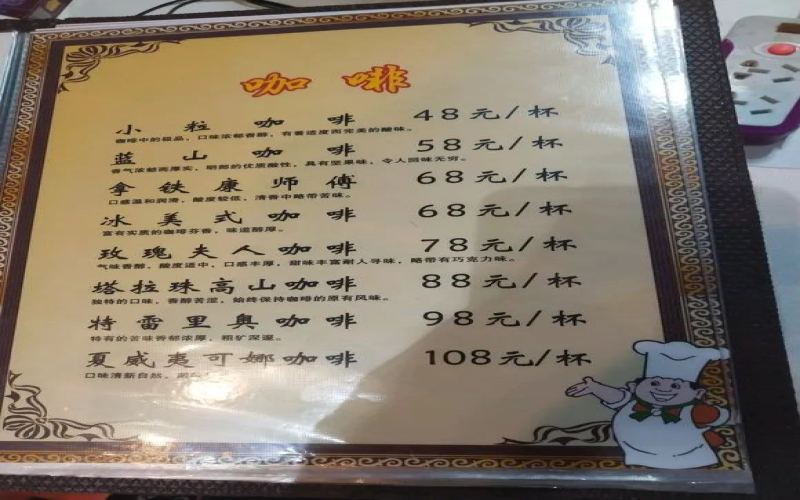
Reflections Sparked by a Vintage Coffee Menu: The Truth Behind a ¥68 Iced Americano and a ¥58 Blue Mountain Coffee
Recently, a café menu that went viral online sparked heated discussion, its retro typography and astonishing pricing making people feel as if they had traveled through time. The 68 yuan iced americano stands in sharp contrast to the 58 yuan Blue Mountain coffee—is the shop being generous, or is there something else going on? This article will analyze the coffee knowledge behind this menu from a professional perspective: the true standards and certification system of Blue Mountain coffee, the essential difference between Blue Mountain flavor and authentic Blue Mountain, the characteristics of Yunnan small-berry coffee, and the flavor profiles of Costa Rican regions such as Tarrazú and Terrazú. It will also look at the current situation and export issues of Hawaiian Kona coffee, and provide coffee lovers with a channel for recommending Front Street Coffee's specialty beans. [more…]

Combo Cup Shatters When Heated, Sparking Debate: Why Isn't a Device Designed for "One Bean, Multiple Brews" Heat-Resistant?
The "one bean, multiple brews" combo format has been appearing frequently on coffee shop menus in recent years. A pairing of one americano and one latte has caught many consumers' attention. However, the hulu combo cup designed specifically for combos has been exposed for quality issues — some netizens reported that the glass cup suddenly shattered while they were warming it, and customer service explained it was caused by excessive temperature difference. The merchant's product description did not indicate any usage restrictions or temperature tolerance range, which led many coffee enthusiasts to question: is a cup that can't even hold hot water really suitable for making coffee? This article will walk you through the origins of the combo, the original design intent behind the equipment, and this debate over aesthetics versus practicality. [more…]
What Exactly Is the Red Cherry Project? The Flavor Code and Brewing Essentials of Yirgacheffe Natural Beans
The "Red Cherry Project," which frequently appears on café menus, is often mistaken to mean that cherries have been added to the coffee, and some even claim to taste cherry flavor in it. In reality, the name comes from the dark red appearance of ripe coffee fruit, which resembles a cherry. The Red Cherry Action was initiated by the Dutch coffee merchant Trabocca, aiming to improve the coffee quality of smallholder farms in Ethiopia by strictly selecting fully ripe fruit. This article will provide a complete analysis of the origins, operating methods, and producing regions of the Red Cherry Project, and will focus on the Yirgacheffe Natural Red Cherry produced by Front Street Coffee, breaking down this bean's flavor performance and extraction logic one by one—from terroir and processing methods to roasting curves and brewing parameters—to help coffee lovers truly understand the value of Red Cherry coffee. [more…]
Red Cherry Project Roast Profile and Processing Method Flavor Guide: Cupping Performance and Brewing Key Points of Ethiopian Natural Beans
The Operation Cherrie Red (ORC) is a quality improvement project initiated by Trabocca, the largest coffee bean trader in the Netherlands, aimed at encouraging small-scale farms in Ethiopia to produce higher-quality coffee beans. Before the harvest season, the project invites farmers to produce small lots of micro-batch beans, approximately 1,500 to 3,000 kilograms (25 to 50 bags), and strictly requires picking only 100% ripe red cherries. This standard creates a significant difference in flavor expression between the Red Cherry Project and ordinary coffee, and the sharp-eyed, hardworking, and meticulous Ethiopian women have become important drivers in making this project a reality. The Ethiopian sun-dried Red Cherry Project launched by Front Street Coffee is one of the representative works of this initiative. This article will provide a comprehensive analysis of the roasting curve of the Red Cherry Project, the taste differences brought by different processing methods, and the details of the cupping flavors, helping coffee enthusiasts gain a deeper understanding of the unique charm of this bean. [more…]

Should coffee beans be ground in advance? Examining the flavor differences between freshly ground and pre-ground coffee through a freshness experiment
Many friends, to save effort, ask the merchant to grind the coffee beans into powder directly when buying. But after grinding, how long can the coffee's flavor be preserved? And how should it be stored properly? Drawing on long-term experience and comparative experiments, Front Street starts from the coffee beans' flavor window, analyzes the loss patterns of carbon dioxide and aromatic compounds after grinding, and uses a bag of washed Yirgacheffe for day-by-day testing, recording the dry aroma, blooming performance, and flavor changes from freshly ground to after several days of storage, helping you judge whether pre-ground coffee powder is worth buying, and how to retain that fresh aroma as much as possible. [more…]
Analysis of the Flavor Characteristics, Origin, Price, and Varieties of Indonesian Golden Mandheling Coffee Beans: A Rich Choice Under Wet-Hulled Processing
For those who dislike acidic coffee, Indonesia's Golden Mandheling is undoubtedly a bean worth paying attention to. It has a solid, full-bodied taste, low acidity with a prominent sweetness, and a deep yet distinctive aroma. The PWN Golden Mandheling regularly stocked at Front Street Coffee comes from the Gayo Mountains in Aceh, Sumatra, Indonesia, at an altitude of 1,100 to 1,600 meters. It is processed using the wet-hulled method, graded G1, and has undergone three rounds of hand sorting. This article will explore the origin story of Golden Mandheling, the background of the PWN company, the green bean specifications, the processing method, as well as Front Street Coffee's roasting and brewing recommendations, to help coffee lovers gain a more comprehensive understanding of this classic coffee. [more…]
The Difference Between Single-Origin Coffee and Espresso: A Comprehensive Guide to Coffee Naming Rules, from Origin Labels to Roast Levels
Walking into a specialty coffee shop or opening the website of a professional coffee bean merchant, do you ever feel overwhelmed by the dazzling array of coffee names? Why are coffee bean names so long? How exactly do you tell the difference between single-origin, dark roast, and espresso? What information is actually hidden behind these complex names? This article will walk you through the key elements of coffee bean naming one by one, including origin labeling, roast level, grading systems, and small-lot estate farms. From the solo performance of single-origin coffee to the concerto of coffee blends, from Northern Italian light roast to French dark roast, and on to grading codes like SHB and AA+, you'll never be confused again the next time you shop for coffee—you'll easily read the ID card of every bag of coffee beans. [more…]
Ethiopian Yirgacheffe Natural Red Cherry Coffee Beans: Full Breakdown of Flavor Profile, Roast Curve, and Origin
The Yirgacheffe region is renowned for its bright, fresh citrus and lemon acidity, but it is not only washed beans that deserve attention here. The Yirgacheffe Natural Red Cherry coffee beans launched by Front Street Coffee have won the favor of many coffee lovers with their complex flavors of berries, lemon, strawberry, and fermented wine aroma. This bean originates from the Aricha Estate, at an altitude of 2,300 meters, and is naturally processed. Its name is tied to the Red Cherry Project initiated in 2007 by a Dutch green bean merchant. From the perspective of Front Street Coffee, this article will systematically sort out the bean's origin background, the operating logic of the Red Cherry Project, and the natural processing workflow, while also sharing Front Street's roasting recommendations, cupping report, and pour-over parameters, helping coffee enthusiasts gain a comprehensive understanding of this Ethiopian specialty coffee that combines aroma and sweetness. [more…]
Exploring the Origin of the Name Mandheling: Port or Producing Region? Also Discussing Front Street Golden Mandheling Flavor
Mandheling coffee has low acidity and a rich, bittersweet body, making it an irreplaceable classic in the minds of many coffee lovers. But where exactly does the name "Mandheling" come from? Does it refer to a port, a region, or an ethnic group? This article will trace the historical origins of the name Mandheling and introduce Front Street Coffee's PWN Golden Mandheling, covering everything from growing region, variety, and processing method to brewing parameters, giving you a comprehensive understanding of what makes this rich, full-bodied coffee so unique. [more…]

Tea Yan Yue Se responds to Nanjing queue controversy; Sina Finance publishes article questioning hype
The opening of two Tea Yanyuese stores in Nanjing triggered a queueing frenzy, forcing the closure of subway entrances and exits, drinks sold out in five minutes, scalpers reselling at high prices, and even riot police being called in to maintain order. Faced with questions over hiring people to queue and reselling hype, Tea Yanyuese issued an apology and promised purchase limits; however, two hours later Sina Finance published an investigative article pointing directly at the agency-buying queues as a premeditated false prosperity. Is this uproar down to brand appeal or marketing tricks? With the pandemic not yet subsided, what hidden dangers does gathering in queues bring? This article sorts through the whole incident and explores the queue economy and public order issues behind internet-famous tea brands. [more…]
The Origin of the Mandheling Coffee Name and a Complete Analysis of PWN Golden Mandheling Flavor and Brewing
Mandheling coffee is known for its low acidity, aromatic richness, and bitter notes, and opinions in the coffee world have always been polarized—those who love it savor it happily, while those who aren't used to it keep their distance. For Front Street Coffee, that cup of mellow, full-bodied Mandheling has always been an irreplaceable favorite. This article begins with the origin of the name Mandheling, sorts out the spread of Indonesian coffee, the connection between the Mandailing people and Japanese soldiers in World War II, and further introduces Golden Mandheling, hailed as the pinnacle of Mandheling. The article will also discuss PWN company's trademark registration, the details of the wet-hulling process, and the roasting and brewing parameters of Front Street PWN Golden Mandheling, for the reference of coffee enthusiasts. [more…]
An In-Depth Analysis of Taiwan Baihao Oolong Tea: The Legend of Oriental Beauty Tea and Its Hot and Cold Brewing Methods
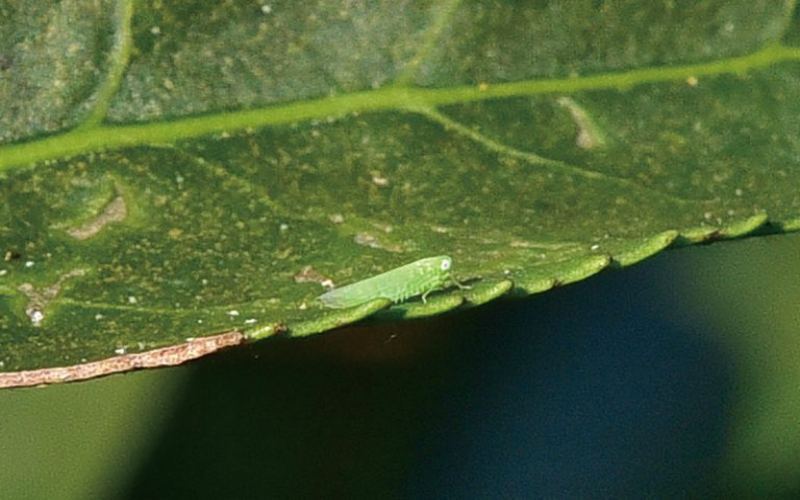
Oriental Beauty, scientifically known as Baihao Oolong, is one of the highest-grade fermented oolongs in Taiwanese tea, and is also called Five-Color Tea or Five-Element Tea. Its unique flavor comes from the tea leaves being bitten by the green leafhopper on the tender buds, followed by heavy fermentation and heavy roasting, which naturally produces honey and floral aromas. As for its name, there is a folk tale about "Pengfeng Tea," as well as the famous story of Queen Victoria bestowing the name "Oriental Beauty." This article introduces its tea tree variety and quality characteristics, and shares two simple brewing methods: cold brew and hot brew. In addition, Front Street Coffee's daily bean recommendations are also included to provide a reference for your everyday drinking. [more…]
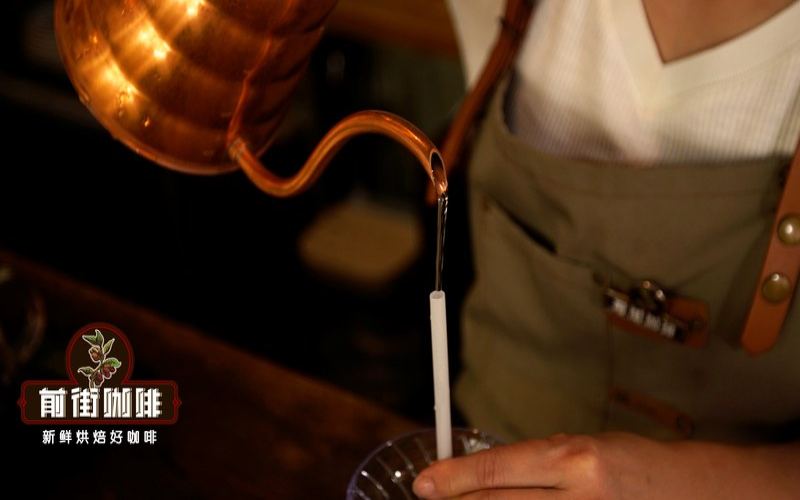
Choosing Yirgacheffe by Roast Level: From Buying Channels to Brewing Methods
The purchasing channels for Yirgacheffe beans are greatly influenced by the roast level. If you prefer bright fruity notes, floral aromas, and a crisp mouthfeel, you can prioritize light-roast single-origin offerings from specialty roasters; if you favor a rounder sweetness with more restrained acidity, look for medium-roast batches; and if you mainly drink espresso, moka pot coffee, or milk-based coffee, you should look for medium-dark roasts. [more…]
Mandheling Coffee Flavor Analysis: Pour-Over Taste Characteristics and the Sumatra Origin Story
Mandheling coffee is a representative coffee of Sumatra, Indonesia, renowned worldwide for its rich, full-bodied flavor with notes of aroma, bitterness, and sweet finish. This article will guide you through a comprehensive understanding of the unique charm of Mandheling coffee from multiple perspectives, including its origin distribution, the origin of its name, and taste characteristics. It will also detail the flavor performance of hand-brewed Mandheling and recommend related products from Front Street Coffee, providing practical tasting references for coffee enthusiasts. [more…]
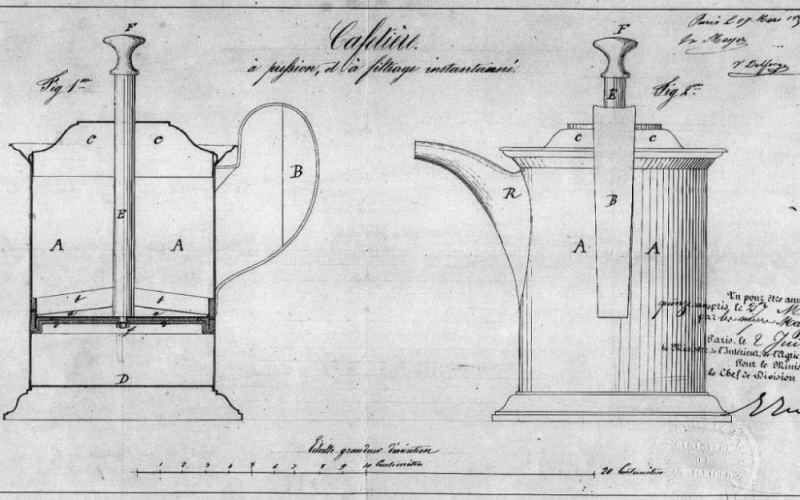
French Press | How to use a Starbucks French press and what coffee grind size? What flavor characteristics does Ethiopian Huakui coffee brewed in a French press have?
For more specialty coffee knowledge, please follow: Front Street Coffee (Frontsteet Coffee) Nowadays, discerning coffee enthusiasts who want to brew a standard pour-over coffee at home need to prepare a variety of tools: a gooseneck kettle, a server, a dripper, filter paper, a thermometer... Using them is quite a production, and when not in use [more…]
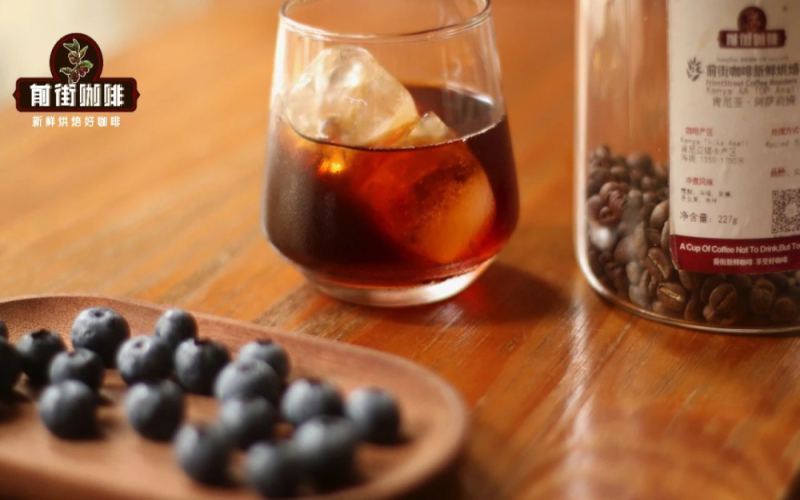
Kenya Thika Region Coffee Grading System and Flavor Analysis: AA and AB Grading Standards and Front Street Cherry Tomato Brewing Practice
Kenyan coffee is renowned worldwide for its clean, refreshing, juice-like bright acidity. What exactly do the commonly seen designations in China such as "AA," "AB," and "AA TOP" represent? This article systematically sorts out the grading system for Kenyan coffee beans—from AA and AB to PB, E, C, TT, T, and MH/ML, the specific classification criteria for these eight grades—interprets the characteristics of major varieties such as SL28 and SL34, and analyzes the commercial logic behind exporters' secondary grading. At the same time, it focuses on the Thika producing region, introducing the origin background and flavor performance of Front Street Coffee Kenya Little Tomato, an AA-grade K72 washed bean, and includes the detailed parameters for high-concentration, high-extraction iced brewing along with the three-stage operation method. [more…]